Need epoxy garage floors in Sacramento?
- Typical U.S. price ranges explained before you commit
- Written quotes from independent providers
- Prep and moisture questions covered
- Care tips after coating
No obligation
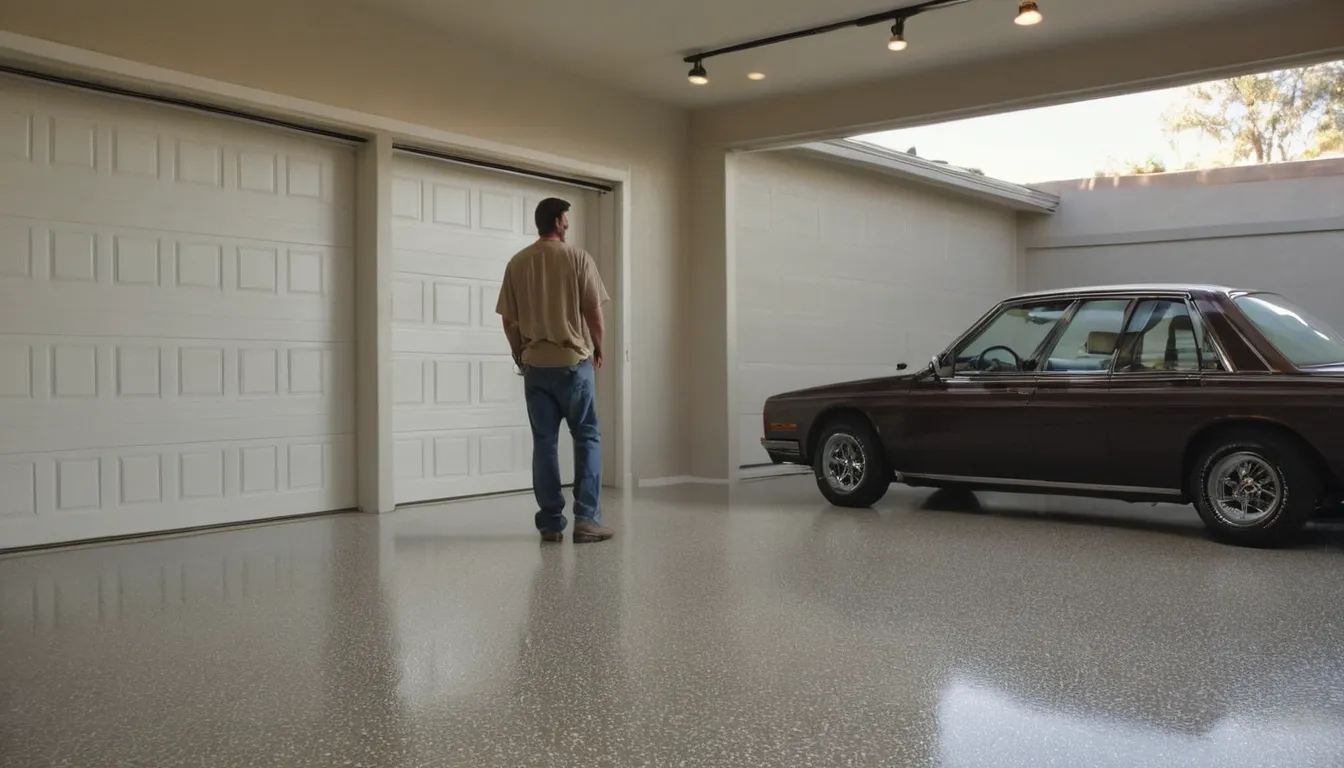
An epoxy garage floor is a hard coating bonded to your concrete slab. It resists oil, tire marks, and daily wear. It also makes the space easier to sweep and clean.
Creamaccuracy Floor Coating is a referral service. We do not do the work. We connect homeowners in Sacramento and the Sacramento area with independent providers in our network. This page explains the process, the typical U.S. costs, and the mistakes to avoid.
Prep before product is the rule that matters most. A coating can only grip as well as the concrete under it. Grinding, cleaning, and crack repair come first. Skipping them is the top reason floors peel. Read the steps below, then request an estimate when you are ready to compare written quotes from local providers.
A flaking, stained, or dusty garage floor can get worse over time. Moisture, oil, and tire heat all wear on bare concrete. Small cracks can widen. Old paint can peel in sheets.
Do not cover a damaged floor with a quick roll-on coat. Paint over flaking material will fail. Do not park on a patched spot until it has fully set.
Do have a local provider look at the slab first. Many providers can respond quickly to check the floor.
Prep before product. Epoxy only holds if it can grip clean, rough concrete. Most failed floors skipped this step.
Good prep usually means grinding the surface with a diamond grinder. Acid etching is a weaker option. It often leaves the surface too smooth.
Concrete slabs can pass moisture up through the floor. That vapor can push a coating off from below. Stucco ranch homes on slabs and older bungalows on raised foundations can both have this issue.
A provider can run a simple moisture test. Do not skip it. If readings are high, ask about a moisture-blocking primer.
Not every epoxy job is the same. The system you choose affects cost and wear.
This is a single-color coat in a thin to medium build. It is a plain, budget-friendly choice for light use.
Colored flakes are tossed into wet epoxy. They hide small flaws and add grip. This is a popular choice for garages.
Metallic pigments create a swirled look. Custom floor finishes cost more and need a skilled hand. Ask to see finished samples.
Some providers offer polyaspartic topcoats. They cure fast and handle sun well. They can cost more.
Most garage jobs take about two to four days. The steps below are common, but each provider sets its own plan.
Cure before parking. Cars, bikes, and heavy items can mark a floor that has not set. Ask for a written cure schedule.
Sun can turn some epoxy yellow near an open garage door. A UV-stable topcoat helps slow that change. Ask which topcoat is in the quote.
Long dry seasons bring strong sun. Mild coastal air can still carry salt and dust. A good topcoat also makes the floor easier to rinse.
A little prep from you helps the day go smoothly.
Providers use strong products. Ask about ventilation and fumes. Keep indoor doors closed. During smoke seasons, ask how that may affect timing and air quality.
Size is only part of it. Slab condition, prep time, and the system you pick all change the total.
Cracks, old paint, and oil stains add labor. Flake and metallic systems add material and skill. See the cost table below for typical U.S. ranges. Prices vary by job, so get every quote in writing.
A good quote lists the square footage, prep method, products, number of coats, and cure time. It also names who handles repairs if the finish fails.
Do not rely on a verbal price. Do not pay a large deposit before you see the scope on paper.
The provider sets its own terms. Creamaccuracy Floor Coating does not do the work or set those terms.
A coated floor still needs simple habits.
Tire marks from hot tires can lift weak coatings. A well-prepped floor handles them better. If you see a chip, ask the provider about a small touch-up before it spreads.
A wood or tile project is a different job. For this one, focus on slab, prep, and a clear written quote. Request an estimate and compare what each provider includes.
A provider looks at cracks, stains, old paint, and moisture before suggesting a system.
Diamond grinding opens the concrete so the coating can grip and last longer.
Primer, base coat, optional flakes, and a clear topcoat are applied in set stages.
Providers can explain cure times and simple cleaning habits for your new floor.
These are typical U.S. ranges for a standard two-car garage. Real prices depend on slab condition, system, and location. Use the table to understand quotes, then ask each provider for a written breakdown.
| Item | Typical range | Notes |
|---|---|---|
| Basic solid color epoxy | $3 – $7 per sq ft | Thin build; suited to light use |
| Flake or chip system | $5 – $10 per sq ft | Hides flaws and adds grip |
| Metallic or custom finish | $8 – $15 per sq ft | More skill and material needed |
| Crack and pit repair | $200 – $800 | Depends on how many and how deep |
| Old paint or coating removal | $1 – $3 per sq ft | Adds labor and time |
| Moisture-blocking primer | $1 – $3 per sq ft | Needed when slab tests high |
Tell us your garage size, floor condition, and the look you want for the finished floor.
Request a callback to check provider availability, or use the request form to start.
Review scope, prep, products, and cure time from each provider before you decide.
Respect the cure time, then use simple cleaning habits to protect the new floor.
Plain do and do not lists help you spot weak quotes before you sign anything.
Learn what drives cost so written quotes are easier to compare.
Providers in our network are independent businesses that serve homes in your area.
Simple habits after the job help protect the finish for years to come.
Typical U.S. prices run from about $3 to $15 per square foot, depending on the system and slab condition. Prep and repairs change the total, so get a written quote that lists every step.
Many well-prepped floors last for years with normal use. Lifespan depends on prep, moisture, topcoat, and care. Poor prep is the most common reason a coating peels early.
It depends on the product. Some systems allow light foot traffic in a day, but cars often need longer. Ask the provider for a written cure schedule and follow it.
Request a callback to check provider availability, or send a request through the form. Creamaccuracy Floor Coating passes your details to an independent local provider in our network.
No obligation